

Introduction
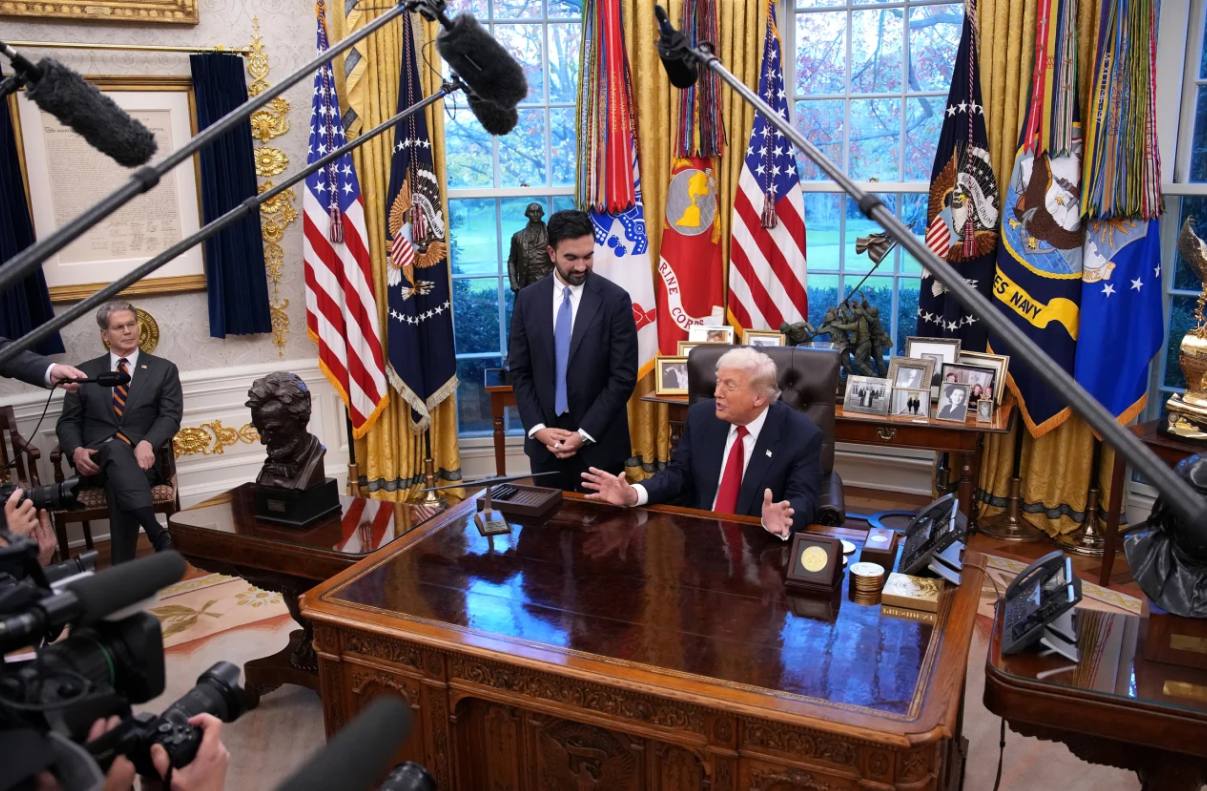
When two political figures as different as Donald Trump and New York Assembly Member Zohran Mamdani sit down for a meeting, it naturally raises eyebrows. On paper, they come from opposite ends of the political spectrum-one known for a populist conservative base, the other a champion of progressive New York ideals. Yet their conversation, hypothetical or not, carries massive implications for New York City’s future.
Because when political opposites talk, things shift. Either in collaboration, conflict, or public expectation.
So, what could this meeting really mean for NYC? Let’s break it down.
Background on the Key Figures
Who Donald Trump Represents Politically
Donald Trump’s influence in NYC has evolved over the years-from real estate mogul to national political figure. While his political base lies largely outside of New York City, he still maintains visibility and influence, especially in discussions about crime, business, and national policy.
Zohran Mamdani’s Progressive Stance in NYC Politics
Zohran Mamdani, Assembly Member for Queens, is a rising voice in New York’s progressive wing. Known for his outspoken advocacy, he often pushes for legislation around
Mamdani’s Key Policy Priorities
- Housing rights and tenant protections
- Public transportation funding
- Immigrant community support
- Police accountability
His approach is community-driven, grassroots-focused, and often challenges existing power structures-including those Trump historically aligned with.
Why This Meeting Happened
The Political Climate in NYC
NYC politics is in a moment of transition-economic uncertainty, rising living costs, and deep ideological divisions are creating pressure for new kinds of conversations. A meeting between Trump and Mamdani, regardless of the motive, reflects that shifting landscape.
Mutual Strategic Gains
Even political opposites can gain something from talking:
- Trump could use the meeting to demonstrate a willingness to engage NYC leaders.
- Mamdani could use it to highlight transparency and dialogue, even with those he disagrees with.
Public Perception and Media Attention
Let’s be honest-this kind of meeting feeds headlines. And in politics, attention is currency.
Possible Policy Areas Impacted
Housing and Real Estate Development
Housing is where both men’s backgrounds collide most dramatically.
Trump’s History in NYC Real Estate
Trump’s brand is built on development, luxury buildings, and navigating city politics around construction and zoning.
Mamdani’s Focus on Tenant Protections
Mamdani advocates fiercely for
- Rent regulation
- Eviction protections
- Affordable housing expansion
A conversation between these two could spark a surprising dialogue about balancing development with housing justice.
Immigration and Community Advocacy
NYC’s immigrant communities are central to Mamdani’s platform. Trump’s national immigration stance, meanwhile, has often been stricter. A meeting could influence:
- Community outreach
- Local advocacy efforts
- Policy messaging
Public Safety and Policing Reforms
This topic remains deeply polarizing. If discussed, the results could shape debates around:
- Police funding
- Alternative safety programs
- Community oversight
How the Meeting Could Shift NYC Politics
A New Era of Unlikely Collaborations
When ideological opposites talk, it can inspire others to rethink their political boundaries. The meeting might signal a shift toward:
- Cross-ideological dialogue
- Strategic negotiation
- Coalition-based problem-solving
How This Could Affect Future Elections
The meeting could influence:
- Campaign strategies
- Voter expectations
- Candidate positioning
Impact on Voter Expectations
Voters increasingly want transparency and results, not constant division. This meeting might symbolize a willingness to break political norms.
Economic Implications for the City
Potential Development Deals
If the conversation touches on development or urban planning, we could see:
- New investment opportunities
- Revitalization projects
- Economic partnerships
Investment Shifts and Business Confidence
Any perceived cooperation-however limited-can shift the tone for business leaders watching NYC’s political climate closely.
Reaction From Political Groups
Progressive Community Responses
Supporters of Mamdani might feel mixed:
- Some might appreciate dialogue
- Others might see it as compromising with ideologically opposed figures
Conservative and Centrist Responses
Conservatives may view the meeting as Trump extending an olive branch. Centrists might see it as a practical step in solving real issues.
Media Narratives Emerging
How the Press Frames the Meeting
Media outlets thrive on contrast. Expect narratives like:
- “Unlikely alliance forms in NYC politics”
- “Progressive leader meets conservative icon”
Why Narrative Matters for Public Trust
How the media frames the meeting shapes how the public interprets its purpose, legitimacy, and significance.
Risks and Challenges
Political Backlash
Both figures risk criticism from their bases:
- Trump for meeting a progressive organizer
- Mamdani for engaging a polarizing national figure
Oversimplification of Complex Issues
One meeting doesn’t solve NYC’s challenges. But public expectations might jump ahead of reality.
The Future Outlook
Short-Term Predictions
- Increased media attention
- Heightened political debate
- Shifts in public discourse
Long-Term Possibilities for NYC Governance
- More bipartisan or cross-ideological conversations
- Reframing of citywide priorities
- Unconventional partnerships emerging
Conclusion
A meeting between Donald Trump and Zohran Mamdani-two figures who represent opposite poles of the political spectrum-would be more than just a headline. It would be a moment that reflects a shifting NYC landscape, where dialogue becomes a tool for navigating crisis, conflict, and change.
Whether it leads to new policies, new tensions, or new expectations, one thing is clear: NYC’s political future is anything but predictable, and conversations like this are shaping what comes next.
FAQs
1. Did Trump and Zohran Mamdani actually meet?
This article explores the possibilities and implications of such a meeting, focusing on how it could influence NYC’s political landscape.
2. Why would these two figures meet despite their differences?
Political strategy, public engagement, and shifting city dynamics often bring together unlikely figures.
3. How could this meeting impact housing policies in NYC?
It could spark discussions around balancing development with stronger tenant protections.
4. What would the political risks be?
Both figures could face criticism from their supporters for engaging across ideological lines.
5. Could this influence NYC elections?
Yes-public perception, candidate strategies, and policy priorities could all shift depending on the meeting’s outcomes.


Leave a Reply
You must be logged in to post a comment.