

Introduction to the Controversy
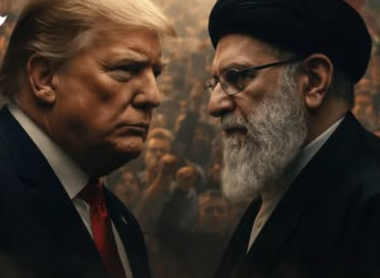
When a single political statement can travel across continents in seconds, words become more than just words. They turn into sparks. That’s exactly what happened when former US President Donald Trump issued a warning related to protests in Iran. Tehran didn’t just disagree-it fired back, calling the warning “reckless.” But why such a strong reaction?
Let’s unpack what happened, why Iran reacted the way it did, and what this episode reveals about modern geopolitics.
A Statement That Sparked Diplomatic Tension
Trump’s warning didn’t land in a vacuum. US-Iran relations have long been tense, fragile, and emotionally charged. So when he commented on protests in Iran, it was like tossing a match into dry grass.
Why Words Matter in Global Politics
In international relations, rhetoric can escalate situations faster than missiles. A few sentences, if poorly timed, can harden positions and close doors that took years to open.
Understanding Trump’s Protest Warning
What Exactly Did Trump Say?
Trump warned Iranian authorities against cracking down on protesters and suggested there would be consequences if violence occurred. On the surface, it sounded like concern for human rights. Beneath that, Iran saw something else entirely.
Timing and Political Context of the Warning
The warning came during a sensitive moment, when protests were already drawing global attention. Timing, in diplomacy, is everything-and Iran believed the timing was intentional.
Intended Audience and Hidden Signals
Was Trump speaking to Iran? Or to his domestic audience? Iran interpreted the message as political signaling rather than genuine concern.
Iran’s Immediate Reaction
Official Iranian Response Explained
Iranian officials quickly condemned the statement, accusing Trump of meddling in internal affairs. The word “reckless” wasn’t chosen randomly-it was strategic.
Use of the Word ‘Reckless’ and Its Meaning
Calling the warning reckless implies irresponsibility and danger. Iran was essentially saying, “Your words could cause chaos.”
Iran’s Diplomatic Messaging Strategy
Tehran often uses strong language to draw clear red lines. This response was meant to deter further comments.
Historical Context of US-Iran Relations
A Relationship Built on Mistrust
Since 1979, mistrust has been the foundation of US-Iran relations. Every statement is filtered through decades of suspicion.
Key Flashpoints Over the Decades
From sanctions to nuclear talks, each crisis adds another layer of tension.
Trump’s Previous Policies Toward Iran
Trump’s withdrawal from the nuclear deal left scars. Iran hasn’t forgotten-and it hasn’t forgiven.
Why Iran Sees the Warning as Dangerous
Fear of External Interference
Iran is deeply sensitive to foreign influence. Any hint of interference is viewed as a threat to sovereignty.
Sovereignty and National Pride
National pride runs deep. External warnings are often framed as insults.
Risk of Escalation on the Streets
Iran fears such statements could embolden unrest or provoke harsher responses.
The Protest Factor in Iran
History of Protests Inside Iran
Protests aren’t new in Iran, but foreign commentary often complicates them.
How Foreign Statements Affect Domestic Unrest
External support can delegitimize protests in the eyes of authorities.
Government Sensitivity to External Comments
Tehran prefers to control the narrative-inside and out.
International Law and Diplomatic Norms
Non-Interference as a Global Principle
International law discourages meddling in domestic affairs.
When Rhetoric Crosses the Line
Iran argues Trump crossed that line.
Iran’s Legal Argument Against Trump’s Warning
Tehran frames the warning as a violation of sovereignty.
Global Reactions Beyond Iran
How Allies and Rivals Viewed the Statement
Reactions ranged from quiet support to cautious silence.
Silence, Support, and Subtle Criticism
Many countries avoided taking sides.
Media Framing Across the World
Headlines amplified the drama.
Political Messaging and Power Plays
Trump’s Communication Style
Bold, blunt, and unapologetic-that’s Trump.
Strong Words as a Political Tool
For Trump, rhetoric is leverage.
Iran’s Counter-Narrative Strategy
Iran responds with moral and legal framing.
Impact on Regional Stability
Middle East Tensions and Ripple Effects
Words can inflame an already volatile region.
Risk of Miscalculation
Misunderstandings can spiral quickly.
Protests as a Regional Trigger
Neighboring states watch closely.
Domestic Politics on Both Sides
Trump’s Message for His Supporters
The warning played well with his base.
Election-Year Rhetoric
Domestic politics often shape foreign policy.
Iran’s Internal Political Considerations
Hardline responses boost internal unity.
Media’s Role in Escalating the Issue
Headlines That Amplified the Conflict
Click-driven media intensified reactions.
Social Media and Instant Reactions
Tweets travel faster than diplomacy.
Narrative Wars in the Digital Age
Everyone wants to control the story.
Diplomatic Consequences Moving Forward
Strained Channels of Communication
Statements like these don’t help dialogue.
Prospects for Dialogue
Trust becomes harder to rebuild.
Long-Term Impact on Negotiations
Every clash leaves residue.
Expert Opinions and Analysis
What Foreign Policy Experts Say
Experts warn against inflammatory rhetoric.
Divided Views on Responsibility
Some blame Trump, others Iran’s response.
Lessons From Past Diplomatic Crises
History shows words can haunt.
What This Means for Ordinary People
Citizens Caught Between Politics
Ordinary Iranians bear the cost.
Economic and Social Implications
Tensions often lead to sanctions and hardship.
Fear, Uncertainty, and National Identity
Politics shapes daily life.
The Bigger Picture
Rhetoric vs Reality
Talk is cheap—but consequences aren’t.
When Warnings Become Weapons
Words can destabilize.
A Snapshot of Modern Diplomacy
This episode reflects today’s volatile politics.
Conclusion
Iran calling Trump’s protest warning “reckless” wasn’t just emotional outrage-it was calculated diplomacy. In a relationship already strained by history, sanctions, and broken agreements, even a warning can feel like a threat. This incident reminds us that in global politics, words aren’t harmless. They carry weight, intent, and consequences-and sometimes, they can be just as dangerous as actions.
FAQs
1. Why did Iran react so strongly to Trump’s warning?
Because Iran viewed it as interference in its internal affairs and a threat to sovereignty.
2. What did Trump mean by his protest warning?
He warned against violence toward protesters, framing it as a human rights concern.
3. Is this kind of diplomatic clash common between the US and Iran?
Yes, given their long history of tension and mistrust.
4. Could such statements affect future negotiations?
Absolutely. Strong rhetoric can harden positions and reduce trust.
5. What lesson does this incident teach about diplomacy?
That words matter—and reckless rhetoric can escalate already fragile situations.



Leave a Reply
You must be logged in to post a comment.