

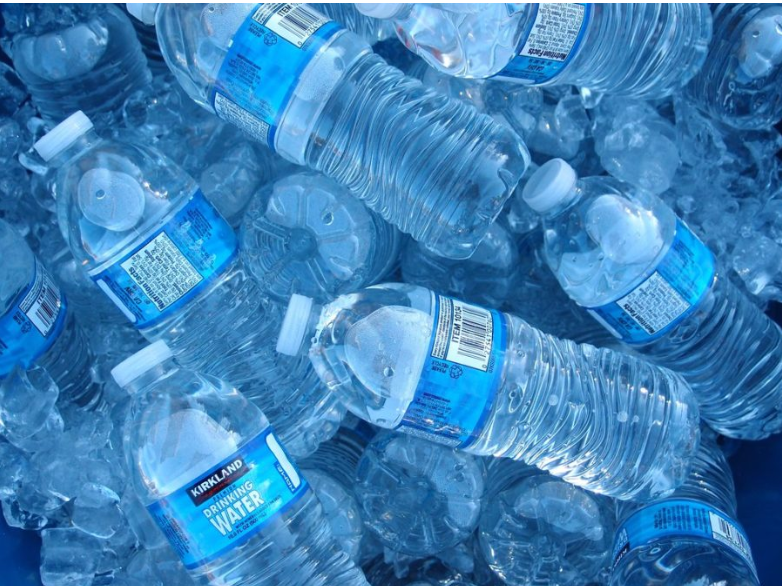
The recent revelation that 26 bottled water brands have been deemed unsafe has sparked concern across the globe. Bottled water is often marketed as the “safer,” “purer,” and more “reliable” choice compared to tap water. But when brands fail to meet health standards, the consequences can be severe. Understanding the risks and knowing how to protect yourself is more important than ever.
Understanding the Alarming Discovery
Why Bottled Water Safety Matters
Water is essential to life. Many people rely on bottled water because they believe it’s cleaner than tap water. So when contamination is discovered, it shakes consumer trust and raises serious health concerns.
How the Contamination Was Identified
Quality control tests, independent lab investigations, and routine safety checks revealed the contamination in multiple brands. These tests typically look for bacteria, chemicals, and other impurities.
What the Investigation Revealed
Out of dozens of samples, 26 brands showed levels of harmful contaminants significantly higher than recommended safety limits.
Common Contaminants Found in Unsafe Bottled Water
Harmful Bacteria
Some bottles were found to contain dangerous bacteria like E. coli and Salmonella-a clear sign of poor sanitation.
Heavy Metals
Lead, arsenic, and mercury were discovered in trace amounts in several samples, posing major long-term health risks.
Microplastics
Microscopic plastic particles have become an increasing concern, often entering bottled water through packaging or manufacturing equipment.
Chemical Additives
High levels of chlorine, fluoride, and other additives were found in certain brands.
Industrial Pollutants
Contamination from nearby factories or improper filtration was also detected.
Health Risks Associated With Contaminated Bottled Water
Short-Term Health Effects
Drinking contaminated water can lead to:
- Diarrhea
- Vomiting
- Stomach cramps
- Fevers
Long-Term Exposure Risks
Continuous consumption may result in:
- Kidney damage
- Liver issues
- Neurological problems
- Increased cancer risk
Vulnerable Groups at Higher Risk
Infants, pregnant women, elderly individuals, and people with weakened immune systems are especially susceptible.
Why Some Bottled Water Brands Fail Safety Standards
Poor Quality Control
Some companies skip crucial safety checks to cut costs.
Inadequate Filtration Processes
Outdated or ineffective filtration systems fail to remove harmful impurities.
Unsanitary Manufacturing Practices
Contaminated equipment or improper storage can introduce bacteria.
Misleading Marketing and Labeling
Some brands claim to be “pure” or “natural” when they simply bottle untreated tap water.
Signs a Bottled Water Brand May Be Unsafe
Lack of Transparency
No clear information about the water’s source or filtration process is a red flag.
Suspiciously Low Prices
Cheap products often compromise quality.
Unclear Source of Water
If the label doesn’t specify whether it’s spring, mineral, or purified water, be cautious.
Inconsistent Taste, Smell, or Appearance
Changes in clarity or odor may indicate contamination.
Regulatory Efforts and Government Response
Updated Quality Standards
Authorities are tightening rules for water purification and bottling.
Increased Inspections
Brands are now facing more frequent and thorough inspections to ensure compliance.
Mandatory Labeling Requirements
Companies may soon be required to list their purification methods and source explicitly.
What Consumers Should Do Now
Check for Latest Safety Alerts
Stay updated on government recalls and health advisories.
Understand the Difference Between Spring, Purified, and Mineral Water
Knowing the source helps identify safer choices.
How to Choose Safe Bottled Water
Look for:
- Verified certifications
- Clear source labeling
- Recognized, reputable brands
Verifying Certifications
Check for seals from credible organizations like NSF, EPA, or WHO water quality programs.
Safe Alternatives to Unsafe Bottled Water
Home Filtration Systems
Reverse osmosis and carbon filters can significantly improve water safety.
Boiling and Treating Water at Home
Boiling eliminates bacteria and parasites effectively.
Reusable Bottles + Purified Water Stations
A cost-effective and eco-friendly alternative.
Steps to Take If You Have Already Consumed Unsafe Brands
Monitor Your Health
Pay attention to symptoms such as stomach pain, dehydration, or fever.
Contact a Healthcare Provider
They can perform tests if contamination is suspected.
Report Safety Concerns
Reporting helps authorities remove unsafe products faster.
Conclusion
The discovery that 26 bottled water brands are unsafe for consumption is a wake-up call for consumers everywhere. Bottled water is not always the safer choice, and understanding the risks allows you to make informed decisions about your health. Stay aware, stay educated, and always choose transparency and quality over convenience.
FAQs
1. How can I find out which brands were flagged as unsafe?
Check official health and safety advisories or regulatory websites for the latest updates.
2. Are all bottled water brands unsafe now?
No. Many reputable brands meet strict safety standards.
3. Can boiling bottled water make it safe?
Boiling can remove bacteria but may not eliminate chemicals or heavy metals.
4. Should I avoid bottled water altogether?
Not necessarily-just ensure you choose certified, transparent, and reputable brands.
5. Are home water filters effective?
Yes, depending on the filter type and contamination level.



Leave a Reply
You must be logged in to post a comment.