

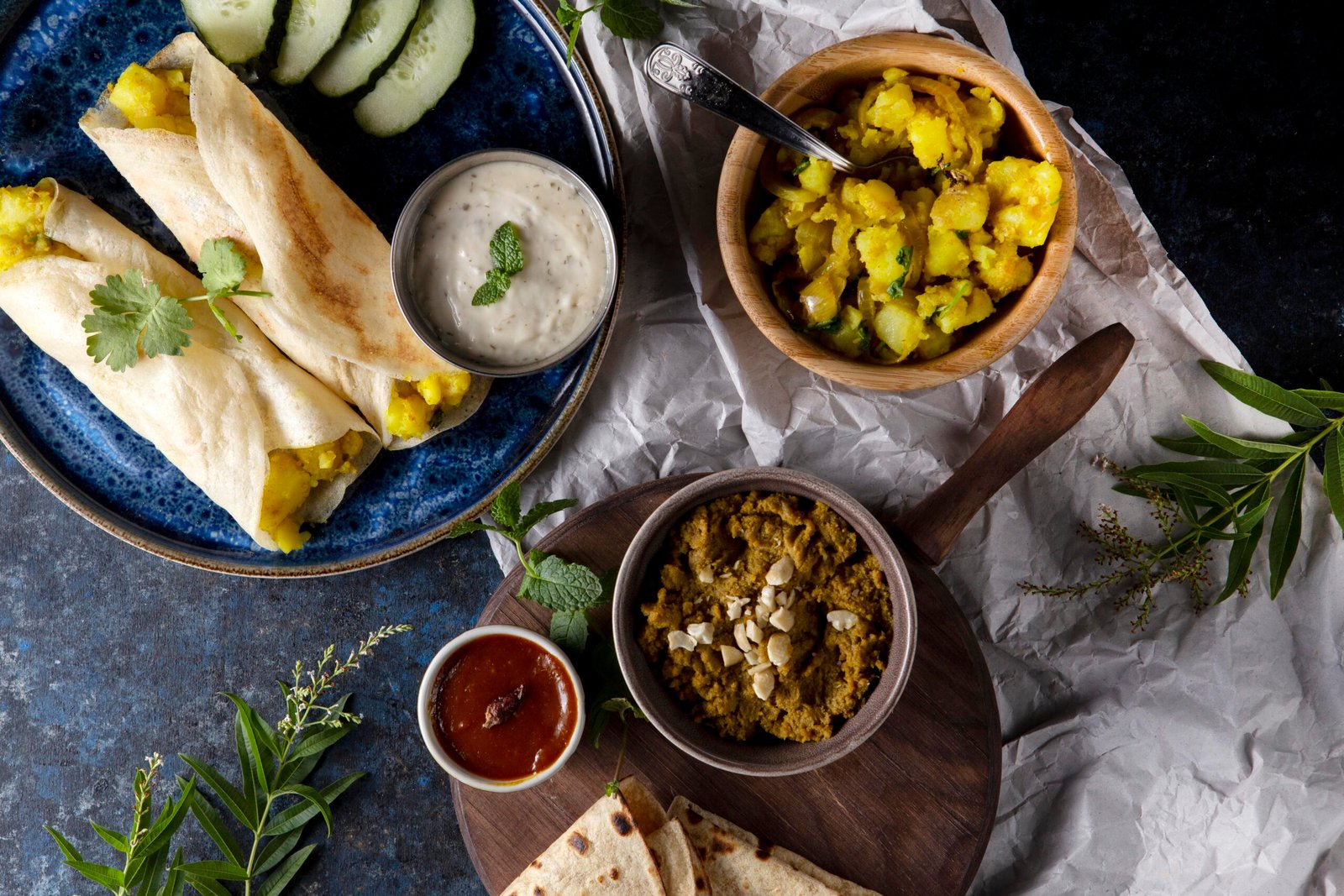
Eating well in Pakistan does not have to be expensive. The foundation of Pakistani home cooking – lentils, whole wheat flour, seasonal vegetables, yogurt, and eggs – is among the most nutritious food available anywhere in the world, and it costs a fraction of what processed or restaurant food costs. The problem is not that healthy Pakistani food is expensive. The problem is that most people do not have a clear plan for how to cook it consistently, affordably, and without getting bored.
This guide gives you that plan. It covers the cheapest and most nutritious ingredients available in Pakistani markets, specific meal ideas for breakfast, lunch, and dinner, a sample weekly meal plan, practical cooking tips to reduce oil and increase nutrition, and honest answers to the most common questions about eating healthy on a Pakistani budget.
Why Pakistani Food Is Naturally Budget-Friendly and Nutritious
Pakistani cuisine evolved in a context where meat was expensive and plant-based ingredients were abundant. The result is a culinary tradition that relies heavily on pulses, whole grains, and vegetables – ingredients that nutritionists now recognise as the foundation of a healthy diet.
The core of a healthy Pakistani diet costs very little. A kilogram of masoor daal (red lentils) provides protein for multiple meals and costs under Rs. 200 in most Pakistani markets. A dozen eggs cost around Rs. 300-350. Seasonal vegetables – spinach, cauliflower, carrots, turnips, peas – are cheapest when bought from local sabzi mandis rather than supermarkets. Whole wheat flour for roti is cheaper per meal than almost any alternative.
The expensive elements of Pakistani cooking are meat, packaged foods, and restaurant meals. A budget-healthy approach keeps these to a minimum and builds meals around the inexpensive, nutrient-dense staples that Pakistani cooking already knows how to use beautifully.
The 10 Most Nutritious Budget Ingredients in Pakistan
1. Masoor Daal (Red Lentils) — High in protein, iron, and folate. Cooks in 20 minutes without soaking. Extremely versatile — can be made into soup, thick curry, or tarka daal.
2. Moong Daal (Split Green Lentils) — Lighter and easier to digest than masoor. Excellent for breakfast as moong daal halwa (without excess sugar) or as a thin soup.
3. Chana (Chickpeas) — One of the best plant-based protein sources available. Buy dried chickpeas rather than canned — they cost a fraction of the price and taste better when cooked from scratch.
4. Eggs — The most complete and affordable animal protein available in Pakistan. Versatile enough for breakfast, lunch, or dinner.
5. Whole Wheat Atta — The basis of roti, which is lower in refined carbohydrates than white bread and provides sustained energy. Multigrain atta, now widely available, adds fibre and nutrients.
6. Spinach (Palak) — One of the cheapest and most nutritious vegetables, especially in winter. Rich in iron, calcium, and vitamins A and C. Works in daal, as saag, or as a simple stir-fry.
7. Seasonal Vegetables — Whatever is cheapest at the market is almost always what is most in season and most nutritious. In winter: cauliflower, carrots, turnips, peas, and spinach. In summer: okra (bhindi), bottle gourd (lauki), bitter gourd (karela), and tomatoes.
8. Yogurt (Dahi) — A probiotic-rich food that aids digestion, provides calcium, and works as a cooling accompaniment to any spicy dish. Making yogurt at home from full-fat milk is significantly cheaper than buying commercial brands.
9. Garlic and Ginger — Cheap, widely available, and with genuine anti-inflammatory and digestive benefits. The base of almost every Pakistani curry.
10. Turmeric, Cumin, and Coriander — The core spice trio of Pakistani cooking. Turmeric is anti-inflammatory, cumin aids digestion, and coriander adds flavour without heat. Buy these from bulk spice shops rather than packaged brands to save money.
Budget Breakfast Ideas
Anda Roti (Egg and Roti)
The simplest and most nutritious Pakistani breakfast. Make a thin whole wheat roti, fry one or two eggs in a minimal amount of oil, and eat with a small bowl of yogurt. Total cost per person: approximately Rs. 40-60. Total nutrition: excellent protein, complex carbohydrates, calcium.
Moong Daal Chilla (Lentil Pancakes)
Soak moong daal for a few hours, blend it into a thick batter with salt, cumin, and green chilli, and cook thin pancakes on a non-stick pan with just a few drops of oil. Serve with mint chutney. High in protein, filling, and costs almost nothing.
Doodh Patti Chai with Whole Wheat Toast
Not every breakfast needs to be elaborate. Strong milky tea with two slices of whole wheat toast spread with a thin layer of homemade yogurt or a boiled egg on the side is a perfectly adequate budget breakfast that takes five minutes to prepare.
Vegetable Omelette
Two eggs beaten with finely chopped onion, tomato, green chilli, and coriander, cooked in a non-stick pan with minimal oil. Serve with roti. The vegetables add volume, nutrition, and flavour at almost zero additional cost.
Budget Lunch Ideas
Daal Chawal (Lentils and Rice)
The foundation of the Pakistani budget meal. Cook masoor or moong daal with onion, tomato, garlic, ginger, and basic spices. Serve over plain boiled rice with a drizzle of tarka (cumin in a small amount of hot oil). This meal costs approximately Rs. 80-120 for two people and is nutritionally excellent – protein from the lentils, carbohydrates from the rice, and micronutrients from the tomato and onion base.
To make it healthier: Use brown rice instead of white where available, reduce the amount of oil in the tarka, and add a handful of spinach to the daal while it cooks.
Chana with Roti
Dried chickpeas soaked overnight and pressure-cooked, then simmered with a simple masala of onion, tomato, ginger, garlic, and cumin. Serve with two rotis and a small kachumber salad (chopped cucumber, tomato, and onion with lemon juice). High protein, high fibre, very filling, and costs very little per serving.
Aloo Palak (Spinach and Potato)
A simple vegetable curry that takes 25 minutes and costs almost nothing in winter when spinach is cheap. Fry onion and garlic, add chopped tomato and spices, then add cubed potato and chopped spinach. Cook until the potato is soft. Serve with roti. One of the most nutritious budget meals available.
Egg Curry
Boiled eggs in a simple tomato-onion gravy. Hard boil four eggs, prepare a basic curry base of onion, tomato, garlic, ginger, cumin, coriander, and turmeric, add the eggs halved or whole, and simmer for ten minutes. Serve with rice or roti. Inexpensive, high in protein, and genuinely delicious.
Budget Dinner Ideas
Daal Mash (White Lentil Curry)
Mash ki daal is one of the most beloved comfort foods in Pakistani home cooking, particularly in Punjab. Soak white lentils (urad daal) for a few hours, cook until soft, then prepare a simple tarka of onion, garlic, and whole cumin in a small amount of ghee or oil. Pour over the daal and serve with roti. The ghee tarka is what makes this dish special – use a small amount for flavour rather than a large amount for richness.
Saag with Makki ki Roti
In winter, mustard greens (sarson) are cheap and abundant. Cook them slowly with spinach, garlic, and ginger until completely soft, then blend partially and finish with a small amount of butter or ghee. Serve with makki ki roti (cornmeal flatbread). This is one of Punjab’s great traditional dishes and one of the most nutritious winter meals imaginable.
Vegetable Khichdi
A one-pot meal of rice and lentils cooked together with whatever vegetables are available – carrots, peas, potato, spinach. Season with cumin, turmeric, and a small amount of ghee. Khichdi is easy to digest, filling, and can be made with whatever is in the kitchen, making it a perfect budget dinner. It is also an excellent meal for children and anyone recovering from illness.
Chicken Yakhni Shorba (Broth-Based Chicken Soup)
When buying chicken, buy a whole chicken and cut it yourself rather than buying pieces – it costs significantly less per kilogram. Make a simple broth-based soup with chicken pieces, onion, garlic, ginger, whole spices (cardamom, cinnamon, cloves), and whatever vegetables are available. This is nourishing, light, and the broth can be used the next day as a base for rice or daal.
Sample Weekly Meal Plan (Budget and Healthy)
| Day | Breakfast | Lunch | Dinner |
|---|---|---|---|
| Monday | Egg roti + yogurt | Masoor daal chawal | Aloo palak + roti |
| Tuesday | Moong chilla + chutney | Chana with roti + salad | Vegetable khichdi |
| Wednesday | Doodh patti + toast | Egg curry + rice | Daal mash + roti |
| Thursday | Vegetable omelette + roti | Aloo spinach soup | Saag + makki roti |
| Friday | Boiled eggs + fruit | Chana chawal | Chicken yakhni shorba |
| Saturday | Halwa puri (small portion) | Daal chawal | Mixed vegetable curry + roti |
| Sunday | Anda paratha + yogurt | Chicken and vegetable pulao | Lentil soup + roti |
Practical Tips to Cook Healthier Without Spending More
Measure your oil. The single most effective change you can make to Pakistani home cooking for health purposes is to measure oil rather than pour it freely. Most recipes need two to three tablespoons of oil – not half a cup. Use a non-stick pan to allow you to use less oil without food sticking.
Buy from the sabzi mandi, not the supermarket. Vegetables from wholesale markets cost 30 to 50 percent less than supermarket prices and are often fresher. Go in the morning for the best selection.
Cook in bulk. Lentils and chickpeas that have been cooked can be refrigerated for three to four days or frozen for a month. Cook a large batch on the weekend and use throughout the week. This saves both time and gas costs.
Reduce meat gradually. You do not have to eliminate meat from your diet to eat healthier and cheaper. Simply shifting from daily meat to three or four times a week – and replacing it with eggs, lentils, or chickpeas on other days – makes a significant difference to both cost and health.
Make yogurt at home. Buy a litre of full-fat milk, heat it to near-boiling, cool to warm, add two tablespoons of existing yogurt as a starter, cover, and leave overnight. The result is a full litre of yogurt that costs a fraction of the commercial equivalent and contains live probiotic cultures.
Use whole spices where possible. Whole cumin, coriander seeds, cardamom, and cinnamon cost less than ground spices and retain their flavour and health properties longer. Buy a mortar and pestle and grind what you need.
Regional Budget Healthy Meals Worth Knowing
Punjab: Saag with makki ki roti is the winter staple – nutritious, cheap, and deeply satisfying. Daal mash with a small amount of ghee tarka is an everyday dinner across the province.
Sindh: Fish is relatively affordable in Sindh, particularly closer to the coast. Simple grilled or lightly fried fish with roasted cumin and lemon is both healthy and inexpensive. Sindhi kadhi – a yogurt-based vegetable curry – is another nutritious budget dish.
Khyber Pakhtunkhwa: The Peshwari tradition of slow-cooked meat with minimal spicing produces deeply flavourful dishes from cheaper cuts. Namkeen gosht – simple salted meat – uses the least expensive cuts cooked slowly until tender.
Balochistan: Sajji – whole roasted lamb or chicken – is the regional speciality, but in everyday cooking, simple meat stews with seasonal vegetables and flat bread make up the budget diet. The region’s dried fruits and nuts, while slightly expensive, are available in bulk at Quetta’s bazaars at reasonable prices.
Frequently Asked Questions
What is the cheapest complete meal you can make in Pakistan?
Daal chawal – masoor lentils with plain rice – is almost certainly the cheapest complete meal in Pakistan that provides adequate protein, carbohydrates, and micronutrients. A single serving costs approximately Rs. 40-60 when cooked at home.
How can I get enough protein without eating a lot of meat?
Lentils, chickpeas, eggs, and yogurt are all excellent protein sources available cheaply throughout Pakistan. A diet combining these four ingredients across the week provides adequate protein for most adults without requiring daily meat consumption.
Is Pakistani street food ever a healthy budget option?
Some street food can be reasonable choices. Boiled chickpea chaat, grilled corn, fresh fruit chaat, and lassi are relatively healthy. Deep-fried items — samosas, pakoras, jalebi — should be occasional rather than regular choices.
How do I reduce oil in Pakistani cooking without losing flavour?
The key is to use a non-stick pan, measure oil carefully (two to three tablespoons is usually enough), and rely on aromatics – garlic, ginger, onion, whole spices – for flavour rather than fat. A small amount of ghee added at the end of cooking provides more flavour impact than large amounts of oil added at the beginning.
What vegetables are cheapest and most nutritious in Pakistan year-round?
In winter: spinach, cauliflower, carrots, turnips, and peas. In summer: okra, bottle gourd, bitter gourd, and tomatoes. Buying whatever is most abundant and cheapest at the local market ensures you are getting both the lowest price and the highest nutritional value.
Explore more Pakistani food guides and lifestyle content at Shark Times.



Leave a Reply
You must be logged in to post a comment.