

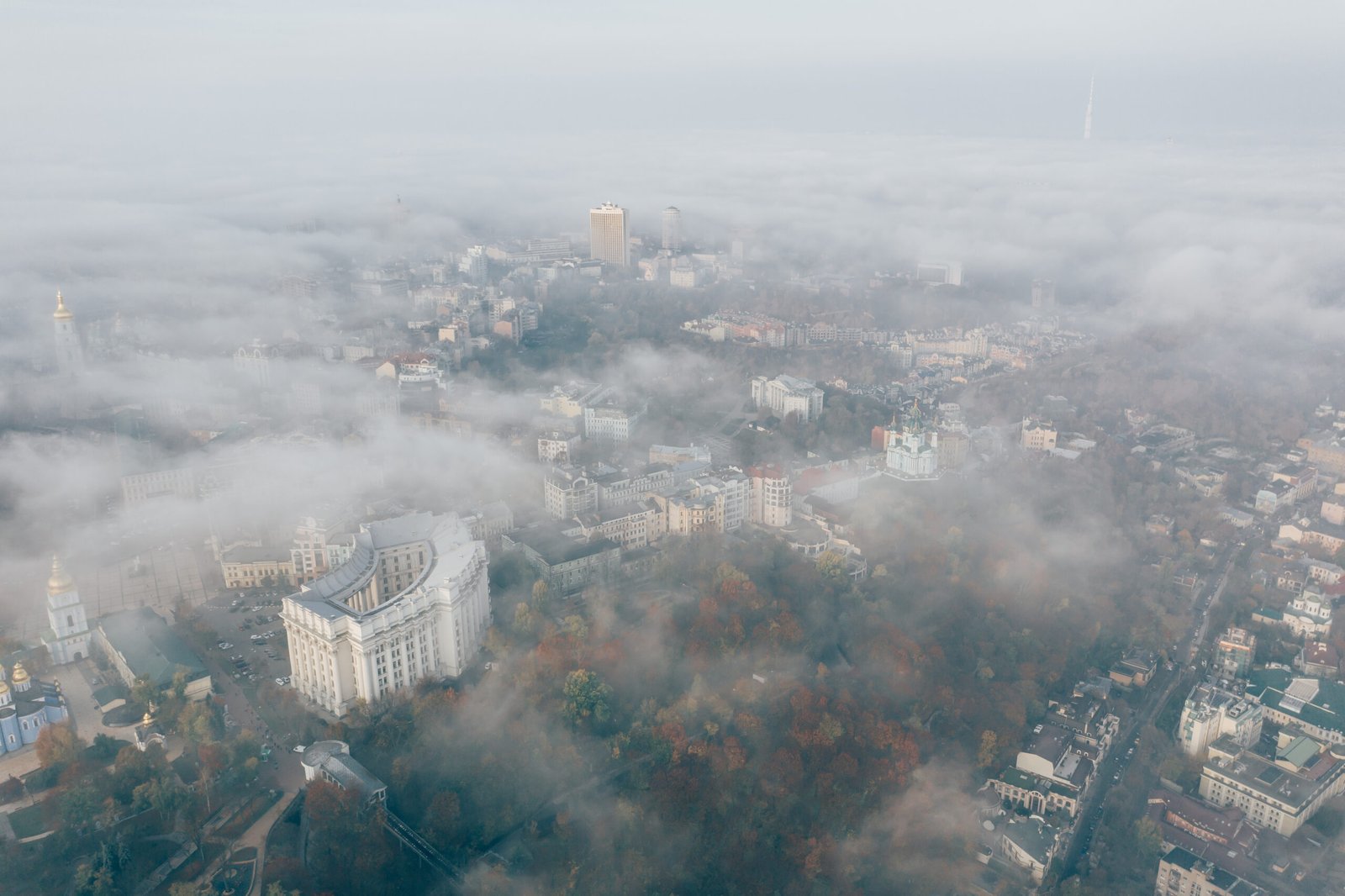
Air pollution is now a serious problem in many cities worldwide. Experts say that the quality of the air we breathe is worsening day by day, and this is affecting everyone’s health, especially children, the elderly, and people with existing medical conditions.
What is Causing Poor Air Quality?
The main causes of air pollution include vehicle emissions, industrial smoke, construction dust, and burning of garbage or crop residue. In some cities, the problem becomes worse during winter due to weather conditions that trap pollutants close to the ground.
Health Impacts
Bad air quality can lead to various health issues.Short-term effects include coughing, throat irritation, headaches, and breathing difficulties. Long-term exposure may lead to more serious issues such as asthma, lung disease, heart problems, and even reduced life expectancy.
Current Situation
Recent reports show that air quality levels in many major cities have crossed the “unhealthy” mark. In some areas, residents are advised to avoid outdoor activities, especially during mornings and evenings when pollution levels peak.
What Can Be Done?
Authorities are urging people to take precautions, such as wearing masks, using air purifiers at home, and reducing the use of vehicles. Governments are also trying to control pollution by enforcing stricter rules for industries and promoting cleaner fuels and public transport.
Conclusion
Deteriorating air quality is not just an environmental issue; it is a public health crisis. Everyone must work together-individuals, communities, and governments-to ensure cleaner air and a healthier future.
Tips for Staying Safe:
- Wear a mask when pollution levels are high.
- Avoid outdoor exercise during peak pollution hours.
- Keep windows closed and use air purifiers indoors.
- Take public transport or share rides to cut down on vehicle emissions.
Support tree planting and clean energy initiatives.



Leave a Reply
You must be logged in to post a comment.