

Introduction
Why Iran’s Internet Matters in Times of Protest
In today’s world, the internet isn’t just a luxury-it’s the nervous system of society. When people want to speak, organize, or simply tell their story, they turn to their phones. In Iran, this digital lifeline becomes even more critical during protests. So when the internet goes dark, it’s not just a technical issue; it’s a political move.
Trump’s Warning and Its Global Echo
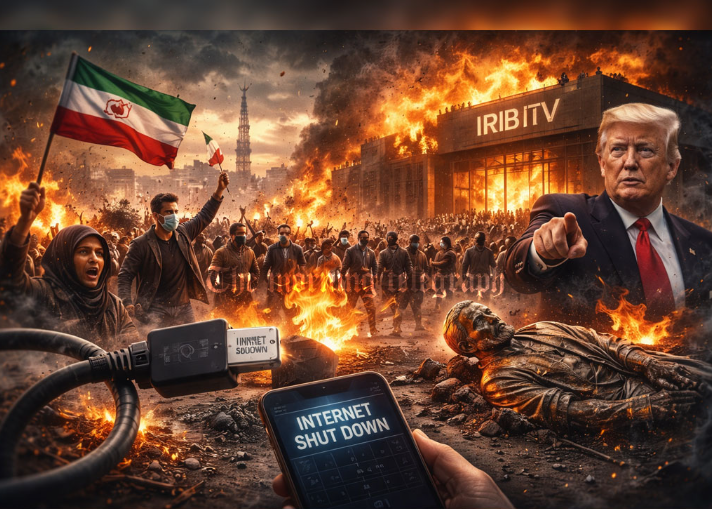
When former U.S. President Donald Trump issued a warning in response to Iran’s protests, it sent ripples far beyond Washington. His words didn’t just land in Tehran’s political halls-they echoed through the streets, online platforms, and global newsrooms. Almost immediately, Iran’s internet blackouts followed, raising a big question: are these shutdowns a reaction to internal unrest, external pressure, or both?
Background of the Iran Protests
Economic Pressure and Public Anger
At the heart of the protests lies a familiar story-rising prices, unemployment, and shrinking opportunities. For many Iranians, daily life has become a balancing act between survival and hope. Inflation eats into salaries like termites in wood, slowly but surely weakening stability.
From Local Demonstrations to Nationwide Unrest
What began as scattered protests soon spread across cities and towns. One chant led to another; one video inspired thousands more. The momentum grew quickly, fueled by frustration and shared experiences.
Role of Youth and Digital Mobilization
Young people have been at the center of this movement. Raised in a digital world, they know how to use social media not just to socialize but to mobilize. A single post can act like a spark in dry grass.
Trump’s Protest Warning Explained
What Trump Actually Said
Trump’s warning was direct and unmistakable. He cautioned Iranian authorities against using excessive force on protesters and signaled that the world was watching. Whether intended as deterrence or diplomacy, the message was loud.
Why the Warning Alarmed Tehran
For Iran’s leadership, foreign warnings often ring alarm bells. History has taught them to view external comments as interference. Trump’s statement, therefore, wasn’t just criticism-it was framed as a potential threat.
Historical Context of U.S.-Iran Tensions
Decades of mistrust shape every interaction between the two nations. From sanctions to nuclear talks, the relationship has always been tense. Trump’s warning fit neatly into this long narrative of confrontation.
The Decision to Shut Down the Internet
How Internet Blackouts Are Implemented
Iran doesn’t pull the plug randomly. Internet shutdowns are carefully executed, often slowing connections first, then cutting access entirely. It’s like dimming the lights before switching them off.
Timing the Shutdowns After Global Statements
The timing matters. Blackouts often follow major protest surges or international statements. After Trump’s warning, the shutdowns appeared less coincidental and more strategic.
Selective vs Nationwide Blackouts
Sometimes only certain platforms are blocked; other times, entire regions go offline. This flexibility allows authorities to control the flow of information with precision.
Iran’s Strategy Behind Internet Censorship
Controlling the Narrative
Information is power. By limiting internet access, authorities can shape what people see, hear, and believe. Without videos or live updates, protests become easier to downplay.
Preventing Protest Coordination
Protests thrive on coordination. Remove messaging apps, and suddenly organizing becomes much harder. It’s like taking away the conductor from an orchestra.
Silencing International Media Coverage
When journalists can’t verify events on the ground, global coverage slows. That silence can be just as powerful as a statement.
Life Inside an Internet Blackout
Communication Struggles for Ordinary Citizens
Imagine not being able to message your family or check the news. For many Iranians, blackouts create confusion and fear, cutting them off from the outside world.
Impact on Businesses and Education
Online businesses stall. Students miss classes. Freelancers lose income. The blackout hits wallets as hard as it hits voices.
Psychological Stress and Isolation
Being digitally disconnected can feel like being locked in a room without windows. Anxiety rises, rumors spread, and trust erodes.
Social Media as a Threat to Authority
Why Governments Fear Digital Platforms
Social media doesn’t ask for permission. It spreads stories faster than any official channel ever could, making it a powerful-and unpredictable-tool.
The Power of Viral Protest Videos
One video can expose what a thousand words cannot. That visibility is precisely what authorities fear most.
Hashtags, Hope, and Resistance
Hashtags become rallying cries. They connect strangers and turn individual frustration into collective strength.
International Reaction to Iran’s Blackouts
Human Rights Groups Speak Out
Rights organizations consistently condemn internet shutdowns, calling them violations of freedom of expression.
Western Governments and Diplomatic Pressure
Several governments have raised concerns, urging Iran to restore connectivity and respect civil liberties.
Calls for Digital Freedom
The idea that internet access is a basic right is gaining ground globally, and Iran’s shutdowns keep that debate alive.
Does Trump’s Warning Influence Iran’s Response?
External Pressure vs Internal Control
External warnings can sometimes restrain governments-but they can also harden positions. Iran’s response seems to lean toward the latter.
Using Foreign Threats as Justification
Authorities often cite foreign interference to justify crackdowns. Trump’s warning fits neatly into that narrative.
Strengthening Hardline Policies
Rather than backing down, leadership may double down, presenting resistance as national defense.
Media Coverage During the Blackout
Reporting Without Direct Access
Journalists rely on secondhand reports, satellite images, and exiled voices to piece together events.
Reliance on Exiled Journalists
Diaspora media plays a crucial role, acting as a bridge between Iran and the world.
Risks of Misinformation
Limited information can also open the door to rumors, making accurate reporting more challenging.
Technology Workarounds and Resistance
VPNs, Proxies, and Satellite Internet
Many Iranians turn to digital tools to bypass restrictions, though these methods come with risks.
Digital Activism Under Surveillance
Using workarounds often means operating under constant watch, adding another layer of fear.
Risks for Users
Penalties can be severe, turning simple online activity into a dangerous act.
Economic Consequences of Internet Shutdowns
Losses to Small and Medium Businesses
For online sellers, every hour offline means lost income.
Long-Term Damage to Iran’s Economy
Repeated shutdowns discourage innovation and push talent elsewhere.
Investor Confidence and Sanctions Pressure
Connectivity issues add another hurdle to an already strained economy.
Comparing Iran to Other Countries
Internet Shutdowns as a Global Trend
Iran isn’t alone; many governments use shutdowns during unrest.
Lessons from Past Protest Movements
History shows that shutting down the internet rarely ends dissent-it only delays it.
What Makes Iran Different
Iran’s scale and frequency of shutdowns make it a standout case.
The Human Rights Dimension
Internet Access as a Basic Right
Access to information is increasingly seen as essential, not optional.
Voices Lost in Digital Darkness
Every blackout silences countless personal stories.
The Role of Global Advocacy
International pressure keeps these voices from disappearing entirely.
What Happens Next?
Possible Escalation or De-escalation
The future depends on choices made by both protesters and authorities.
Future of Protests in Iran
Even in silence, dissent often finds a way.
Digital Freedom on the Line
The struggle over internet access is far from over.
Conclusion
Iran’s internet blackouts following Trump’s protest warning highlight a modern battleground where power, technology, and public voice collide. While shutdowns may temporarily quiet the streets, they amplify global scrutiny and deepen internal frustration. In a connected world, pulling the plug doesn’t erase anger-it only postpones the conversation.
FAQs
Is Iran’s internet blackout permanent?
No, most shutdowns are temporary but can last days or weeks.
Why does Iran shut down the internet during protests?
To limit communication, control narratives, and reduce protest coordination.
Did Trump’s warning directly cause the blackout?
Not officially, but the timing suggests it influenced the government’s response.
How do people communicate during blackouts?
Through offline methods, limited networks, or risky digital workarounds.
Are internet shutdowns legal under international law?
They are widely criticized and considered violations of freedom of expression.



Leave a Reply
You must be logged in to post a comment.