

Introduction
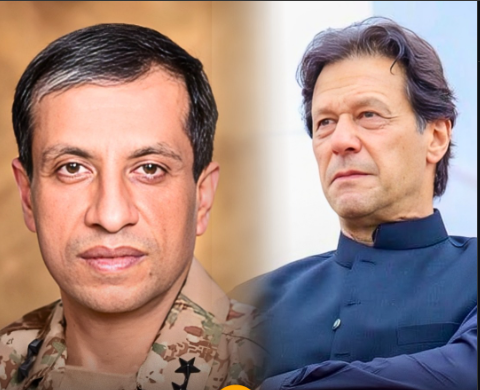
Pakistan’s political landscape never stays quiet for long, and once again a major controversy has taken center stage. The recent acknowledgment by PTI leaders that Imran Khan’s posts on X (formerly Twitter) provoked a stern response from the ISPR has become the talk of the nation. This admission not only reflects internal tensions but also highlights the delicate nature of political communication in a country where words can reshape national narratives in minutes.
This incident shows how digital platforms have become battlegrounds for political influence-and how a single post can trigger a response from one of the country’s most powerful institutions.
Understanding the Context
Imran Khan’s Political Climate
Imran Khan has been navigating a highly charged political environment. His party faces legal challenges, leadership hurdles, and a constant need to stay in the public eye. In such situations, social media becomes a primary tool to communicate with supporters.
The Role of X in Political Messaging
X is Imran Khan’s strongest messaging platform. His posts reach millions instantly, creating a massive impact-sometimes positive, sometimes controversial.
Military’s Position in Pakistan
The military has a prominent role in national affairs, and statements about it-especially critical ones-always draw attention. This context is essential to understand the controversy.
What Exactly Happened?
Imran Khan published posts on X targeting the military’s internal matters and decision-making. These posts quickly went viral and were heavily discussed on TV talk shows, political forums, and social media platforms.
Supporters viewed the posts as “truthful and bold,” while critics labeled them “provocative and unnecessary.”
Regardless of the opinions, the impact was immediate-and immense.
ISPR’s Strong Response
The Inter-Services Public Relations (ISPR) issued a firm statement condemning Imran’s comments. The tone was direct, indicating that the posts were unacceptable and damaging to institutional integrity. The statement made headlines nationwide and sparked debates on civil-military relations.
This was one of the strongest responses ISPR had issued in recent years regarding a political leader.
PTI Leaders’ Admission
When confronted by journalists, several PTI leaders acknowledged that Imran’s posts indeed triggered the ISPR’s reaction. They also revealed that internal party discussions had been held to address the fallout from those posts.
Some leaders expressed that the posts could have been framed “more carefully,” hinting at a growing desire within PTI for more disciplined communication.
Impact of the Admission
The admission created several political ripples:
- It confirmed internal concerns about Imran’s unfiltered use of social media.
- It exposed minor rifts between the leadership and Imran’s communication style.
- It shaped public perception, as many saw it as PTI stepping back from a confrontational stance.
Role of Social Media in Political Crises
Imran Khan is famous for using social media as a weapon. But social media can also escalate crises within seconds. Political statements that once took hours to spread now reach millions instantly.
That speed can be powerful-and dangerous.
Why the Military Reacted
Historical Tensions
Civil-military relations in Pakistan have always been sensitive. Any criticism from a major political leader is likely to get a response.
Current Dynamics
Given the tense political climate, the military viewed Imran’s comments as an attempt to influence public opinion against the institution.
Protecting Credibility
ISPR’s response aimed to reassert the institution’s stance and prevent misinformation from spreading further.
Public Reaction
The public’s response was divided:
- PTI supporters defended Imran’s right to express his views.
- Opponents argued that irresponsible statements should be condemned.
- Neutral observers questioned whether political disputes should be played out on social media.
Hashtags trended for days, reflecting the nation’s deep interest in the issue.
Impact on PTI’s Political Strategy
After the ISPR’s response, PTI strategists began reevaluating their communication policies. Behind the scenes, party leaders reportedly pushed for clearer, more structured messaging.
Damage control efforts included toned-down interviews and more disciplined spokespeople.
Relationship Between PTI and Establishment
PTI once enjoyed a cooperative relationship with the establishment. But over the years, tensions have grown, creating a visible divide. This situation has only deepened that gap.
The incident highlights how fragile political alliances in Pakistan can be.
Political Analysts Weigh In
Political experts believe the issue marks a turning point:
- Some analysts say PTI must control its social media rhetoric.
- Others argue the military’s strong reaction shows the sensitivity of the current political environment.
- Many predict more confrontations in the future, especially before elections.
Future of PTI’s Political Messaging
PTI may move toward:
- Clearer communication guidelines
- Limited spontaneous posts from senior leaders
- A more professional media team to avoid further controversies
However, Imran’s personal style-direct, bold, and unfiltered-might make this shift difficult.
Broader Implications for Pakistani Politics
This incident reflects the larger political picture in Pakistan:
- Civil-military balance continues to be delicate.
- Social media now drives political discourse.
- Political parties must adapt to fast-changing digital dynamics.
It also shows that public communication must be handled carefully, especially when it involves powerful institutions.
Conclusion
The admission by PTI leaders that Imran Khan’s posts triggered ISPR’s sharp response has reshaped political conversations across Pakistan. It highlights the power of social media, the sensitivity of institutional relations, and the challenges political parties face in maintaining disciplined communication.
As Pakistan moves forward, this incident will remain a reminder of how a few lines on a screen can create waves in the nation’s political landscape.
FAQs
1. What did PTI leaders admit regarding Imran’s posts?
They acknowledged that his X posts provoked the ISPR’s strong response.
2. Why did ISPR react so strongly?
Because Imran’s posts raised sensitive issues related to the military.
3. Did this incident cause tension within PTI?
Yes, leaders hinted at internal concerns about unfiltered social media messaging.
4. How did the public react?
Public opinion was divided between supporters, critics, and neutral observers.
5. Will PTI change its communication strategy?
It is likely, as the party appears to be moving toward more structured messaging.



Leave a Reply
You must be logged in to post a comment.