

Introduction
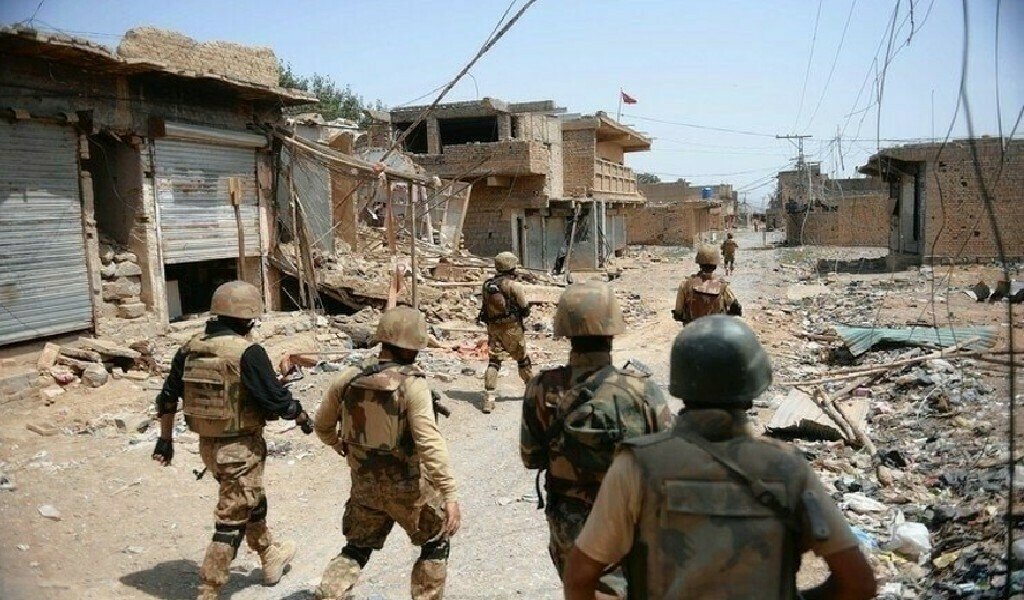
Security forces successfully neutralized eight terrorists during an intelligence-based operation (IBO) in Bannu, as confirmed by the Inter-Services Public Relations (ISPR). This operation marks yet another decisive step in Pakistan’s ongoing war against terrorism, showcasing the vigilance and commitment of the armed forces in maintaining national security. The Bannu region, known for periodic militant activity, once again became the center of a critical counterterrorism mission.
This article dives deep into what happened, why it matters, and how such operations shape the security landscape of Pakistan.
Understanding the Bannu Operation
Location and Context
Bannu, located in Khyber Pakhtunkhwa, has long served as a sensitive security zone due to its proximity to tribal areas and previously militant-held territories. The rugged terrain and complex socio-political dynamics often make it a hotspot for terror hideouts.
How the Operation Was Conducted
According to initial reports, the operation was carried out after detailed intelligence pinpointed the presence of terrorists planning attacks. Using precise coordination, security forces surrounded the suspected hideout, initiating an engagement that ended with the elimination of all militants.
ISPR’s Official Statement
The ISPR confirmed the deaths of eight terrorists, highlighting the successful recovery of weapons and ammunition. The statement emphasized that the operation averted major terror activities planned against security forces and civilians.
What is an Intelligence-Based Operation (IBO)?
Purpose of IBOs
An IBO is specifically designed to target threats before they materialize. Instead of reacting after an attack, security forces proactively eliminate the risk.
Why They’re Crucial in Counterterrorism
IBOs help disrupt terror networks, dismantle planning cells, and protect public spaces. They often lead to the capture or elimination of high-value targets.
Role of Intelligence Agencies
Agencies collect data, monitor activity, and analyze patterns to ensure timely intervention. Without intelligence, counterterrorism efforts would be reactive and far less effective.
Background of Terror Activity in Bannu
Historical Security Challenges
For years, militants have attempted to exploit Bannu’s proximity to tribal districts as a strategic advantage. Security forces have consistently worked to limit this influence.
Recent Spikes in Militancy
Though overall terrorism has declined significantly, some regions still face intermittent flare-ups. The recent operation suggests militants were trying to reorganize.
Importance of the Region
Bannu serves as a gateway linking multiple districts. Ensuring its stability is essential to securing broader areas of Khyber Pakhtunkhwa.
Details Released by ISPR
Number of Terrorists Eliminated
Eight terrorists were killed during the operation, preventing them from executing imminent attacks.
Weapons and Ammunition Recovered
A cache of sophisticated weapons, explosives, and communication devices was seized-materials typically used in large-scale attacks.
Threats Averted
According to ISPR, the militants were planning assaults that could have targeted law enforcement or public gatherings, making this operation a crucial preventive measure.
Impact on National Security
Strengthening Counterterrorism Efforts
Each successful operation reduces militant capabilities and strengthens national resolve.
Boosting Public Confidence
People across Pakistan often feel reassured when security forces take swift action to protect them.
Message to Anti-State Elements
The operation sends a clear message: Pakistan’s security forces remain alert, prepared, and fully capable of neutralizing threats.
Reaction from Local Population
Public Relief and Support
Residents expressed relief after the operation, recognizing the immediate threat had been eliminated.
Concerns Over Security Conditions
Despite the success, many hope for long-term peace and development to prevent future militant activity.
Government and Military Coordination
Local administration and security personnel continue to collaborate to maintain stability and monitor potential threats.
Challenges Faced by Security Forces
Terrain Difficulties
The region’s rugged and complex landscape can make locating and engaging militants challenging.
Resistance from Militants
Terrorists often resist fiercely, using tactical hideouts and advanced weaponry.
Need for Advanced Technology
Continuous upgrades in surveillance tools, drones, and intelligence systems are essential to staying ahead of threats.
The Bigger Picture
Pakistan’s Fight Against Terrorism
For nearly two decades, Pakistan has fought to eliminate terrorism from its soil. This operation is one of thousands successfully executed.
Regional and Global Importance
Stability in Pakistan contributes to wider regional peace, especially in South Asia and neighboring regions.
Future of Counterterrorism Operations
IBOs are expected to remain a primary strategy as security forces continue to dismantle lingering militant networks.
Conclusion
The elimination of eight terrorists in Bannu is a significant counterterrorism achievement, reinforcing Pakistan’s commitment to preserving national peace and safeguarding its citizens. With each successful IBO, the country moves one step closer to long-term stability. Though challenges remain, operations like this demonstrate the vigilance, capability, and dedication of Pakistan’s security forces.
FAQs
1. What is the purpose of the Bannu IBO?
The operation aimed to eliminate terrorists planning attacks and ensure regional security.
2. How many terrorists were killed?
Eight terrorists were eliminated, according to ISPR.
3. What did security forces recover?
Weapons, ammunition, and communication equipment were seized from the militants.
4. Why is Bannu a sensitive security zone?
Its location near former militant strongholds makes it strategically significant.
5. Are IBOs common in Pakistan?
Yes, they are a key part of ongoing counterterrorism operations across the country.



Leave a Reply
You must be logged in to post a comment.