

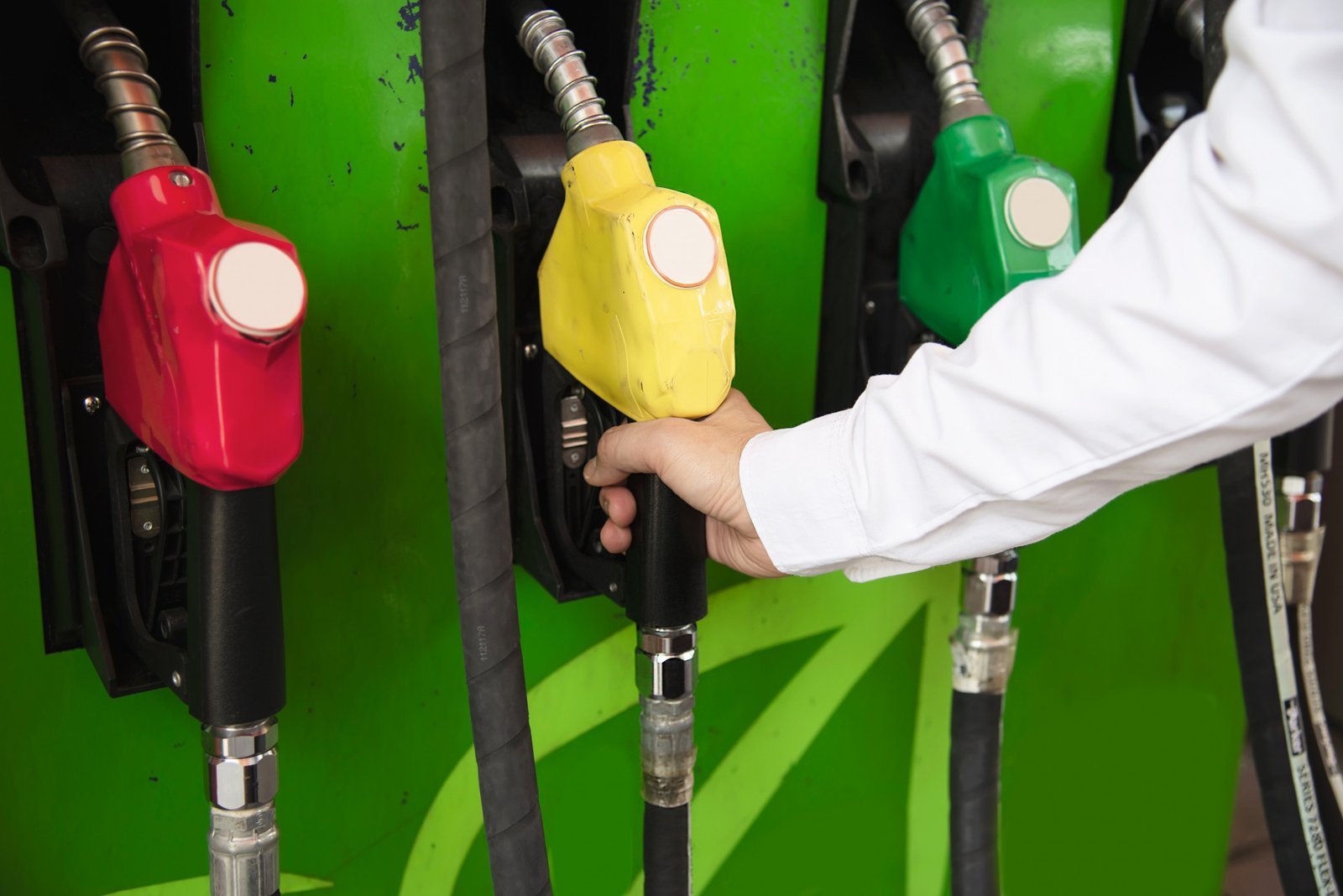
Pakistan’s government raised petrol and diesel prices by Rs26.77 per litre effective midnight on April 25, 2026 — reversing three consecutive weeks of relief cuts and pushing petrol prices close to the Rs400 per litre mark. The decision, approved by Prime Minister Shehbaz Sharif, came despite global oil prices actually falling on Friday as peace talk prospects improved — meaning this increase was driven almost entirely by domestic taxation rather than international oil market movements.
This article explains exactly what changed, why the government increased prices despite stable global oil, how much taxes you are paying on every litre, what this means for inflation and daily life in Pakistan, and what to expect at the next review on May 1.
The New Fuel Prices — Effective April 25, 2026
| Fuel Type | Old Price | New Price | Change |
|---|---|---|---|
| Petrol (MS 92) | Rs366.58/litre | Rs393.35/litre | +Rs26.77 |
| High-Speed Diesel (HSD) | Rs353.42/litre | Rs380.19/litre | +Rs26.77 |
| Kerosene Oil | Rs428.60/litre | Rs365.00/litre | -Rs63.60 |
| Light Diesel Oil (LDO) | Rs299.00/litre | Rs270.00/litre | -Rs29.00 |
The new rates are effective nationwide from midnight April 25, 2026 and will remain in place until the next fortnightly or weekly review, expected around May 1, 2026.
Note: Kerosene and LDO prices were actually reduced — those fuels track global prices more directly, and global benchmarks for those categories eased. The petrol and diesel increase was a taxation decision.
Why Did Prices Go Up When Global Oil Was Falling?
This is the question every Pakistani is asking — and the answer is important to understand.
The government increased the petroleum levy on petrol by about Rs27, raising it from Rs80 to Rs107.38 per litre. This is a domestic tax, not a reflection of international oil prices.
Pakistan has increased fuel prices by up to Rs27 per litre for both petrol and high-speed diesel, with domestic taxation — rather than international oil movements — driving the latest adjustment.
In plain language: global oil prices were flat or falling on Friday April 25. The government chose to raise the petroleum levy — the tax it collects on every litre of fuel — and passed that tax increase directly to consumers.
Petroleum Minister Ali Pervaiz Malik confirmed this. He said oil prices were again rising due to regional tensions and the government had to take measures to pass on the additional burden to consumers in view of agreements with international stakeholders.
The reference to “agreements with international stakeholders” is a direct reference to Pakistan’s $7 billion IMF bailout programme. The government expects approval for the $7 billion International Monetary Fund bailout package in early May, while officials must decide next week whether to recover the remaining Rs53 per litre tax. The IMF has asked Pakistan to charge Rs80 per litre tax on both diesel and petrol. The government is moving toward that target incrementally.
How Much Tax Are You Paying Per Litre?
The breakdown of what makes up the Rs393.35 petrol price is revealing:
| Component | Amount | Share |
|---|---|---|
| Ex-Refinery Price (crude cost) | ~Rs258/litre | 66% |
| Petroleum Development Levy | ~Rs107/litre | 27% |
| Inland Freight & Margins | ~Rs28/litre | 7% |
In other words, more than one-third of what you pay at the pump is government tax. Total taxes on petrol now reach Rs134 per litre.
This is the central frustration for Pakistani consumers: fuel prices are rising not because oil is more expensive globally, but because the government needs the tax revenue to meet its IMF commitments.
Context: Where Prices Have Been in 2026
Pakistan’s fuel prices have been extraordinarily volatile since the U.S.–Iran war began on February 28, 2026.
Petrol and diesel rates have gone up from Rs266 and Rs281 per litre, respectively, after the U.S.–Israel attacked Iran on Feb 28, sending shockwaves to the global energy markets.
The peak came in early April: at Rs380.19, diesel remains well below the all-time high of Rs520.35 set on April 4, 2026. Similarly, petrol hit an all-time high of approximately Rs458 per litre on April 3 before three weeks of relief cuts brought it back down to Rs366.
The April 25 hike reverses those relief cuts. The April 25 hike reverses the gains from three consecutive relief weeks. Petrol is now Rs65 per litre below its all-time high — but heading in the wrong direction again.
Who Is Most Affected?
Motorcycle Riders
Pakistan has tens of millions of motorcycles — the primary mode of transport for working-class families across the country. Motorcyclists continue to receive a Rs100/litre subsidy (up to 20 litres per fill for 3 months) via CNIC/biometric verification — reducing their effective price to Rs293.35/litre with the subsidy applied. Punjab and Sindh subsidy registration remains active.
If you ride a motorcycle, register your CNIC at designated pumps to claim this subsidy immediately.
Rickshaw and Two-Wheeler Operators
Rickshaw drivers and delivery riders who use petrol for their livelihoods face immediate pressure. With petrol now at Rs393.35, a full 10-litre fill costs Rs3,934 — up Rs267.70 from last week.
Freight and Agriculture
High-speed diesel powers Pakistan’s trucks, buses, agricultural tractors, and tube wells. Whenever diesel prices go up, freight and transport costs usually follow. That means this hike may not stay limited to petrol pumps. Expect the price of groceries, vegetables, and other transported goods to rise within days.
Daily Commuters
For anyone driving a private car, the cost of commuting has jumped significantly. A 40-litre fill of petrol now costs Rs15,734 — up Rs1,070.80 from last fortnight.
What Should You Do Right Now?
If you ride a motorcycle: Register for the CNIC-based subsidy at your nearest designated pump. Your effective price drops to Rs293.35 per litre — a saving of Rs100 per litre up to 20 litres.
If you drive a car or van: Drive at 60–80 km/h where possible — this is the most fuel-efficient speed range for most vehicles. Maintain correct tyre pressure — under-inflated tyres increase fuel consumption by up to 10%. Avoid unnecessary idling.
If you operate a business with delivery vehicles: Recalculate your freight costs immediately and communicate price adjustments to clients. The May 1 review will determine whether diesel goes up or down further.
If you are overcharged at a pump: All pumps must charge Rs393.35/litre for MS 92 from April 25 onward. If charged more, report to OGRA at 0800-66772.
What Happens at the Next Review — May 1?
Pakistan has been conducting weekly fuel price reviews since the Iran war began on February 28. The next review is expected around May 1, 2026.
Whether prices ease depends on two factors: global crude prices and the progress of U.S.–Iran peace talks in Islamabad. The minister expressed hope that achieving regional peace will provide relief to consumers.
If the Islamabad talks between U.S. envoys Steve Witkoff and Jared Kushner and Iranian Foreign Minister Abbas Araghchi produce a ceasefire framework that reopens the Strait of Hormuz, global oil prices could fall significantly — creating room for the government to reduce fuel prices at the May 1 review.
If the talks stall or Iran keeps the Strait closed, global oil prices will remain elevated and the government will face the same impossible choice it faced this week: absorb the cost or pass it to consumers.
Given Pakistan’s IMF commitments and limited fiscal space, consumers should be cautious about expecting significant relief in the near term.
The Bigger Picture: Pakistan’s Energy Crisis in 2026
Pakistan’s fuel price volatility in 2026 is a direct consequence of its triple vulnerability: dependence on imported oil, proximity to the Iran conflict zone, and severe fiscal constraints that limit its ability to subsidise consumers.
Before the Iran war began, petrol was at Rs266 per litre. It peaked at Rs458 on April 3. It came back to Rs366 after three weeks of relief. It is now back up to Rs393. This rollercoaster — driven by geopolitical events entirely outside Pakistan’s control — demonstrates how exposed ordinary Pakistanis are to global energy shocks.
The long-term answer is clear: Pakistan needs to accelerate its transition to domestic energy sources. Solar power — which is already surging in Pakistan, as Dawn reported this week — reduces dependence on imported fuel for electricity. Electric vehicles, wherever practical, remove petrol dependency from transport. And domestic gas development reduces LNG import costs.
These transitions take years and investment. In the meantime, the May 1 review will tell us what the immediate future holds.
Frequently Asked Questions
What is the current petrol price in Pakistan?
As of April 25, 2026, petrol (MS 92) is priced at Rs393.35 per litre nationwide. This is the rate effective until the next government review, expected around May 1, 2026.
What is the current diesel price in Pakistan?
High-speed diesel (HSD) is priced at Rs380.19 per litre as of April 25, 2026.
Why did Pakistan increase petrol prices despite global oil prices falling?
The government increased the petroleum levy — a domestic tax — from Rs80 to Rs107.38 per litre on petrol. This was driven by IMF programme commitments requiring Pakistan to raise fuel taxation, not by international oil market movements.
Is there a petrol subsidy for motorcycle riders?
Yes. Motorcycle riders can claim a Rs100 per litre subsidy on up to 20 litres per fill via CNIC/biometric verification at designated pumps in Punjab and Sindh. The effective petrol price with the subsidy is Rs293.35 per litre.
When is the next petrol price review?
The next review is expected around May 1, 2026. Whether prices rise or fall depends on global oil prices and progress of U.S.–Iran peace talks in Islamabad.
What is the all-time high petrol price in Pakistan?
The all-time high for petrol in Pakistan was approximately Rs458 per litre, set around April 3, 2026, following the U.S.–Israel strikes on Iran and the resulting Strait of Hormuz disruption.
How do I report overcharging at a petrol pump?
Call OGRA’s helpline at 0800-66772 to report any pump charging above the official rate of Rs393.35 per litre for MS 92 petrol.
Stay updated with the latest Pakistan economic news at Shark Times.



Leave a Reply
You must be logged in to post a comment.