

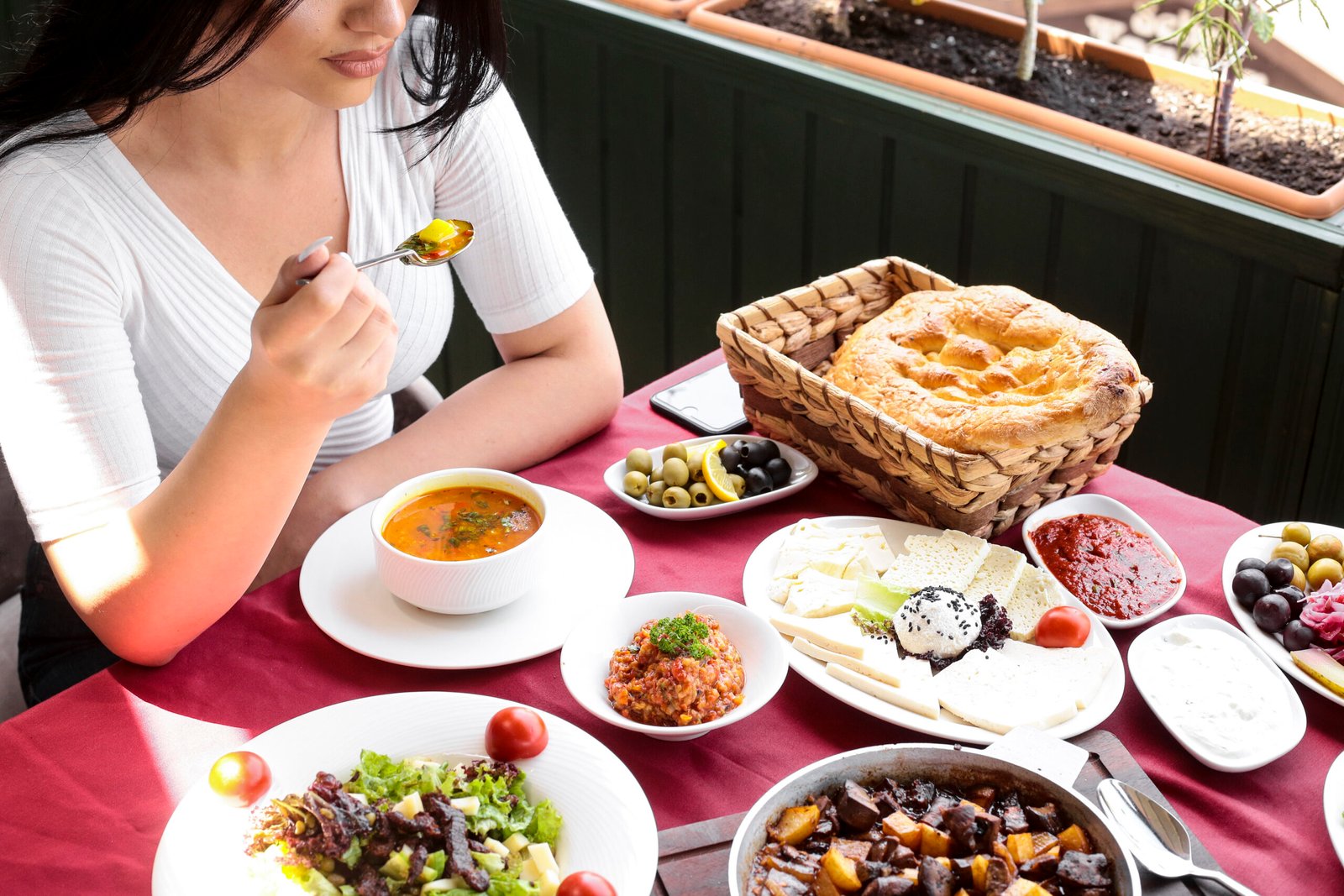
Pakistani cuisine is one of the most rewarding food traditions in the world — rich in aroma, layered in flavour, and rooted in thousands of years of culinary history. But if you are trying it for the first time, it can also feel overwhelming. Where do you start? How spicy is it really? What should you order when everything on the menu looks unfamiliar?
This guide answers all of those questions. Whether you are a foreigner trying Pakistani food for the first time, a Pakistani-American who grew up eating only a few dishes at home, or simply someone who wants to explore beyond the usual biryani, this article will walk you through the best starting points — dish by dish, meal by meal.
First, Let’s Address the Spice Question
The most common concern people have about Pakistani food is heat. The honest answer is: it depends entirely on the dish and who is cooking it.
Pakistani cuisine uses a wide range of spices — cumin, coriander, turmeric, cardamom, cinnamon, cloves, and black pepper are all common — but spice is not the same as heat. Most of these aromatics add depth and fragrance, not fire. The chilli heat in Pakistani food is adjustable in almost every recipe, and many of the most beloved dishes are naturally mild.
The dishes in this guide have been chosen specifically because they are either naturally mild or can be easily ordered or cooked with reduced heat. Each one is a genuine classic of Pakistani cuisine — not a watered-down version invented for foreign palates.
Breakfast: The Best Place to Start
Pakistani breakfast is one of the great undiscovered pleasures of world cuisine. It is filling, flavourful, and almost never spicy. If you are new to Pakistani food, starting with breakfast is the smartest move you can make.
1. Anda Paratha (Egg and Flatbread)
This is Pakistan’s most beloved everyday breakfast. Paratha is a layered, pan-fried flatbread made with whole wheat flour — flaky, slightly crispy on the outside and soft inside. It is served with a simple fried or omelette-style egg, a small bowl of yogurt, and often a cup of milky chai. There is no spice beyond a pinch of salt and pepper. Almost everyone eats this — from small children to grandparents — and it is the perfect introduction to Pakistani food for anyone of any age.
2. Halwa Puri
Halwa Puri is a weekend institution in Pakistan, particularly in Lahore and Karachi. It consists of puri (deep-fried, puffed bread), sooji halwa (sweet semolina cooked in ghee with sugar and cardamom), and chana (chickpeas cooked in a mild, tangy masala). The combination of sweet, savoury, and soft-crunchy textures is unlike anything else. It is rich, so a small portion is plenty for a first-timer, but the flavours are accessible and comforting. Pair it with a cup of doodh patti chai — milk tea brewed directly in the pot — and you have experienced one of Pakistan’s greatest morning rituals.
3. Nihari (For the Adventurous Breakfast-Eater)
This one is not for absolute beginners, but it deserves mention because it is extraordinary. Nihari is a slow-cooked beef or mutton stew, traditionally simmered overnight and eaten in the morning. It originated in Old Delhi and has become a signature dish of Lahore and Karachi’s old-city food culture. The broth is deeply flavoured with whole spices but not overwhelmingly hot. Topped with fresh ginger, green chillies (which you can leave aside), coriander, and a squeeze of lemon, it is eaten with naan. If you ever visit Lahore’s Walled City or Karachi’s Burns Road, trying the nihari at one of the historic restaurants there should be on your list.
Rice Dishes: Safe, Satisfying, and Universally Loved
Rice is at the heart of Pakistani cooking. It is eaten daily in most households, and the rice dishes of Pakistan range from the very simple to the extraordinarily complex.
4. Daal Chawal (Lentils and Rice)
If Pakistani food had a national comfort dish, it would be daal chawal. Daal (lentils) is cooked with onion, tomatoes, garlic, ginger, and a light masala, then ladled over plain boiled rice. It is mild, nutritious, deeply satisfying, and eaten at least once a week in virtually every Pakistani household across every economic background. Masoor daal (red lentils) and mash ki daal (white lentils) are the mildest varieties. A drizzle of tarka — sizzling ghee with cumin and dried red chilli poured over the top — adds flavour without necessarily adding heat. This is the dish to start with if you want to understand the soul of everyday Pakistani home cooking.
5. Chicken Pulao
Pulao is often confused with biryani, but they are quite different. Biryani is cooked with layers of marinated meat and partially cooked rice, steeped in a complex spice mix that can be quite bold. Pulao is more restrained — the rice and chicken are cooked together in a light, aromatic stock flavoured with whole spices like cardamom, cinnamon, and cloves. The result is fragrant but gentle, with soft chicken pieces distributed through fluffy, subtly flavoured rice. For anyone who finds biryani too intense, chicken pulao is the ideal entry point to Pakistani rice cooking. It is served at weddings, family gatherings, and as everyday home food equally.
6. Biryani (When You Are Ready)
Once you have tried pulao and feel ready for something bolder, biryani is waiting. Pakistan has several regional styles — Karachi biryani is spicier with whole spices and potatoes, while other regional versions are more fragrant than hot. Order it from a reputable restaurant and specify that you would like it medium spiced. Biryani is a celebration dish and one of Pakistan’s most famous culinary exports, but it is at its best when you are ready to appreciate its complexity rather than being overwhelmed by it.
Curries: Start Mild, Work Your Way Up
Pakistani curries are the dishes most people think of first, and they form the backbone of the cuisine. The key is knowing which ones to start with.
7. Chicken Karahi
Karahi is named after the deep, wok-like cooking vessel used to make it. Chicken karahi is one of Pakistan’s most popular restaurant dishes — a simple, honest preparation of chicken cooked with tomatoes, ginger, garlic, cumin, and a small amount of green chilli. At a good restaurant, you can ask for it mild, which removes most of the heat while preserving all the flavour. It is eaten with naan or roti and is the dish most Pakistani families order when eating out. It is the right starting curry for most people.
8. Aloo Gosht (Potato and Meat Curry)
This is the ultimate Pakistani home curry. Mutton or beef is slow-cooked with potatoes in a simple, lightly spiced gravy. The long cooking time breaks down the meat until it falls off the bone, and the potatoes absorb the flavour of the broth. It is homely, deeply comforting, and naturally moderate in spice level. Every Pakistani family has their own version, and it is the dish most likely to remind overseas Pakistanis of their mother’s cooking.
9. Daal Makhani (Creamy Black Lentils)
Black lentils (urad daal) cooked slowly with butter, cream, tomatoes, and a light masala. The result is rich, velvety, and mild — one of the most accessible dishes in the entire Pakistani and South Asian culinary tradition. It is vegetarian, filling, and pairs beautifully with both rice and bread. This is an excellent choice for anyone who does not eat meat.
10. Chana Masala (Chickpea Curry)
Chickpeas cooked in a tangy, slightly spiced tomato and onion gravy. This is another naturally mild dish that showcases Pakistani spicing beautifully without overwhelming heat. It is eaten for breakfast with halwa puri, as a main meal with rice, or stuffed into a paratha. High in protein, filling, and genuinely delicious.
Breads: Pakistan’s Everyday Staple
Pakistani bread culture is rich and deserves its own exploration.
11. Roti
The everyday bread of Pakistan — thin, whole wheat, baked on a tava (flat griddle). It is soft, slightly chewy, and completely neutral in flavour, making it the perfect vehicle for scooping up curries. It is lower in fat than paratha and eaten at every meal in most Pakistani homes. Learning to tear a piece of roti and use it to scoop curry is a skill worth practising — it genuinely enhances the eating experience.
12. Naan
Naan is leavened (made with yeast), traditionally baked in a tandoor (clay oven), and has a slightly smoky flavour with a soft, chewy interior. Restaurant naan in Pakistan is usually brushed with butter and served hot. It is ideal for scooping thick curries like karahi or daal makhani. Plain naan is the best starting point; garlic naan and cheese naan are popular variations.
Street Food: Pakistan’s Greatest Outdoor Pleasure
Pakistani street food is a world unto itself, and most of it is perfectly accessible to first-timers.
13. Samosa
A deep-fried pastry filled with spiced potatoes, peas, or minced meat. The exterior is crispy and flaky, the interior soft and warmly spiced but rarely hot. Samosas are eaten as a snack with mint chutney and tamarind sauce. They are universally loved and require no instruction — you will understand immediately why they are one of Pakistan’s most iconic foods.
14. Pakora
Vegetables (onion, spinach, potato, or cauliflower) coated in a seasoned chickpea flour batter and deep-fried. Pakoras are Pakistan’s rainy-season snack par excellence — eaten on grey afternoons with milky chai and a plate of green chutney. They are light, crispy, and mildly spiced. Try them at a busy street stall or make them at home on a rainy evening.
15. Gol Gappay (Pani Puri)
This one is pure fun. Hollow, crispy semolina spheres filled with a mixture of spiced potato and chickpeas, then dipped in flavoured water — tamarind-sweet, mint-tangy, or spicy, depending on your preference. They are eaten in one bite and generate an immediate explosion of flavour. They are a staple of Pakistani street food culture and a rite of passage for first-timers. Start with the sweet tamarind water rather than the spicy version.
Drinks to Complete the Experience
No Pakistani meal is complete without something to drink alongside it.
Doodh Patti Chai — milky tea brewed with loose leaves directly in whole milk, sweetened generously. It is thick, fragrant with cardamom, and unlike any tea you have had before.
Lassi — yogurt blended with water and either sugar (meethi lassi) or salt and cumin (namkeen lassi). It is cooling, filling, and the single best thing to drink alongside a spicy meal.
Rooh Afza — a concentrated rose-based syrup mixed with cold milk or water. Sweet, floral, and deeply nostalgic for anyone who grew up in Pakistan. It is especially popular in Ramadan.
Practical Tips for First-Timers
Start mild and build up. Every good Pakistani restaurant or home cook can adjust spice levels on request. Never feel embarrassed to ask for less chilli — it is a completely normal request.
Eat with your hands when the occasion allows. Pakistani food is designed to be eaten by hand. Tearing roti and scooping curry with your fingers changes the texture and temperature of every bite. It sounds unusual, but it genuinely makes the food taste better.
Order multiple dishes and share. Pakistani meals are communal. Ordering one dish each is not how the cuisine is meant to be eaten. Order three or four dishes for a table of two and share everything.
Pair yogurt with everything. Plain yogurt (dahi) or raita (yogurt with cucumber and herbs) alongside any curry cools the palate and adds a creamy counterpoint to the spices.
Visit a proper Pakistani restaurant, not a fusion one. The best way to experience Pakistani food is at a restaurant that serves the real thing, not an adapted version. In Pakistan, look for dhaba-style restaurants for everyday food and established names for more formal meals.
Conclusion
Pakistani food is generous, soulful, and endlessly varied. The 15 dishes in this guide represent just a fraction of what the cuisine has to offer, but they are the ideal starting points — dishes that are genuinely beloved by Pakistanis themselves, not merely chosen for being accessible to outsiders. Start here, eat often, and let the cuisine reveal itself to you gradually. The more you eat, the more you will discover.
Frequently Asked Questions
Is Pakistani food the same as Indian food?
They share historical roots and many common ingredients, but Pakistani cuisine has its own distinct character. Pakistani cooking tends to use more meat, less vegetable oil in the traditional form, and has a stronger Central Asian influence in dishes like pulao and kebabs. The cuisine of Lahore differs significantly from that of Delhi, despite geographical proximity.
What is the mildest Pakistani dish?
Daal chawal (lentils and rice), chicken pulao, and anda paratha are among the mildest. Raita and plain yogurt alongside any dish also significantly reduce the heat experience.
Is Pakistani food suitable for vegetarians?
Yes. Daal chawal, chana masala, aloo curry, vegetable biryani, saag (mustard greens), and many other dishes are entirely vegetarian and form a significant part of the daily diet in many Pakistani households.
What should I drink with Pakistani food?
Lassi is the ideal accompaniment to spicy food. Doodh patti chai is perfect after a meal. Plain water works for those who prefer it.
Where is the best Pakistani food in Pakistan?
Lahore is widely considered Pakistan’s food capital, particularly for breakfast dishes, karahi, and street food. Karachi has outstanding biryani, seafood, and nihari. Peshawar is famous for its chapli kebabs and traditional Pashtun cuisine. Each city has its own food identity worth exploring.
Explore more Pakistani culture, food, and lifestyle stories at Shark Times.



Leave a Reply
You must be logged in to post a comment.